

Vision Correction for Every Age: LASIK, SMILE, EVO ICL, RLE & Cataract Surgery in Beverly Hills
Last Updated: July 13, 2026 | Medically Reviewed by Dr. D Rex Hamilton, MD, MS, FACS
At Hamilton Eye Institute in Beverly Hills, Dr. Rex Hamilton, understands that your vision needs evolve throughout your lifetime. With over 25 years of ophthalmology experience and recognition as one of the 300 Premier Refractive Cataract Surgeons in the United States by Ocular Surgery News, Dr. Hamilton offers age-appropriate vision correction solutions tailored to your unique needs and lifestyle in Beverly Hills and the greater Los Angeles area.


Feature | LASIK | PRK | SMILE | EVO ICL | RLE | Cataract Surgery |
Price | $2,500–$4,000/eye (~$209–230/mo with financing) | $2,500–$4,000/eye (~$209–230/mo with financing) | $2,500–$4,000/eye (~$209–230/mo with financing) | $5,000–$6,000/eye (~$459/mo with financing) | $6,500 – $10,000/eye | $5,000 – $10,000/eye |
Approach | Corneal reshaping with flap | Surface reshaping | Small-incision tissue removal | Implantable lens | Natural lens replacement with IOL | Removal of cloudy natural lens with IOL implant |
Best for | Mild–moderate Rx with adequate corneal thickness | Thin corneas or active lifestyles with flap concerns | Mild–moderate Rx; dry eye concerns or flap-free preference | Higher prescriptions, thin corneas, or non-corneal candidates | Presbyopic patients 40+; early cataract; glasses-free reading vision | Patients 50+ with cataracts seeking reduced glasses dependence |
Rx ranges | Nearsightedness below −2.0D; Farsightedness up to +5D; Astigmatism above 2D | Nearsightedness, astigmatism, farsightedness | Nearsightedness −2.0D to −7.0D; Astigmatism 0.5D to 2.5D | Nearsightedness −7.0D to −20.0D; Astigmatism 1D to 4D | Any | Any |
Recovery | 24 hours | 4 days discomfort; 1 month to stable vision | 24 hours; no lifestyle restrictions | 24 hours | Good vision within a few days; getting used to quality of vision takes several months | 1–7 days; vision adaptation may take several months |
Dry eye | Most significant; longest duration | Similar to LASIK | Minimal; short duration | Minimal; short duration | MInimal: short duration | Minimal: short duration |
Reversible? | No | No | No | Yes | Lens can be exchanged if needed | Lens can be exchanged if needed |
Thin corneas OK? | No | Yes | Yes | Yes | Yes | Yes |
Read our in-depth comparison: LASIK vs. SMILE vs. PRK vs. EVO ICL — How to Choose.
- Understanding Vision Changes Throughout Life
- How Dr. Hamilton Evaluates Patients
- Vision Correction Solutions for Every Decade
- Why Choose Hamilton Eye Institute for Your Vision Correction Journey
- Meet Dr. D. Rex Hamilton: Your Beverly Hills Vision Correction Expert
- Patient Success Stories
- Making the Right Choice for Your Age and Lifestyle
- Risks and Complications
- Insurance and Financing Options
- Frequently Asked Questions
Understanding Vision Changes Throughout Life
Your eyes undergo natural changes as you age, and the most effective vision correction approach depends on your current age, eye health, and visual goals. Rather than offering a one-size-fits-all solution, we provide comprehensive evaluations to determine the optimal procedure for your specific life stage.

“The key to successful vision correction is matching the right procedure to the right patient at the right time in their life,” says Dr. Hamilton. “What works beautifully for a 25-year-old may not be the best choice for someone who’s 45, and that’s where our comprehensive approach makes all the difference.”
How Dr. Hamilton Evaluates Patients
Dr. Hamilton’s evaluation process begins with one question: how old are you? For patients under 40, the focus is purely on correcting the prescription — choosing between LASIK, SMILE, and EVO ICL based on corneal health, thickness, and prescription size. In the 40–60 range, the aging natural lens becomes a factor, and every patient requires an individualized recommendation based on lifestyle, occupation, and how far presbyopia has progressed. For patients over 60, a lens-based procedure is almost always the right answer.

Vision Correction Solutions for Every Decade
Ages 18-39: LASIK, SMILE LASIK, and EVO ICL
For younger adults with stable vision, several excellent options provide freedom from glasses and contact lenses:
LASIK Eye Surgery
LASIK remains the gold standard for vision correction in younger patients. This proven procedure reshapes the cornea with advanced laser technology to correct nearsightedness, farsightedness, and astigmatism. According to the Journal of Cataract & Refractive Surgery (Vol. 42, Issue 8), LASIK boasts an unprecedented  Trusted Source What is the success rate of LASIK? Refractive Surgery Council Go to Source 96% patient satisfaction rate—the highest of any elective procedure. Learn more about LASIK
Dr. Hamilton’s Lasik Experience
Dr. Hamilton has performed thousands of LASIK procedures with a 99% patient satisfaction rate and 98% achieving 20/20 vision or better.
SMILE LASIK (Small Incision Lenticule Extraction)
SMILE represents the latest advancement in laser vision correction. This minimally invasive procedure requires only a small incision, potentially reducing dry eye symptoms compared to Trusted Source LASIK vs Cleveland Clinic Go to Source traditional LASIK. Dr. Hamilton performed the first FDA approved SMILE procedure on the West Coast in March 2017. In addition, Dr. Hamilton and his team published comparing LASIK and Trusted Source https://pubmed MILE, high-energy SMILE, and LASIK for myopia and myopic astigmatism in the United States Go to Source SMILE outcomes in the Journal of Cataract and Refractive Surgery, demonstrating excellent visual outcomes with SMILE technology, equivalent to that from LASIK. Learn more about SMILE LASIK.
EVO ICL (Implantable Collamer Lens)
For patients with higher prescriptions or thin corneas who aren’t ideal LASIK or SMILE candidates, EVO ICL offers an excellent alternative. These biocompatible lenses are implanted behind the iris, providing crisp vision while preserving the natural cornea. Dr. Hamilton has been implanting the ICL since 2005 and recommends it for most patients with over -6.0D of myopia, with or without astigmatism. Research demonstrates that Trusted Source A Comprehensive Retrospective Analysis of EVO/EVO+ Implantable Collamer Lens: Evaluating Refractive Outcomes in the Largest Single Center Study of ICL Patients in the United States Clinical Ophthalmology Go to Source nearly 100% of patients achieved 20/20 vision or better. Learn more about EVO ICL.
Ages 40-60: Addressing Presbyopia with Advanced Solutions
As you enter your forties, presbyopia—the natural loss of near focusing ability—becomes a primary concern. We offer several solutions to address both distance vision and reading needs:

Refractive Lens Exchange (RLE)
RLE involves replacing your natural lens with a premium intraocular lens (IOL) that can correct both distance and near vision. This procedure is particularly beneficial for patients with early cataracts or those who want to prevent future cataract surgery. Learn more about RLE.
Monovision LASIK
This approach, often called “Monovision LASIK”, corrects one eye for distance and the other for near vision, allowing many patients to reduce their dependence on reading glasses. This blended vision setup can be achieved using LASIK, SMILE or EVO ICL.

Ages 50+: Cataract Surgery and Premium Lens Options
For patients over sixty, cataracts become increasingly common. According to the National Eye Institute, more than half of Americans develop cataracts by Trusted Source Cataracts National Eye Institute Go to Source age 80. Modern cataract surgery offers an opportunity to not only remove cataracts but also reduce dependence on glasses.
Premium Cataract Surgery
Using advanced femtosecond laser technology, we perform bladeless cataract surgery with exceptional precision. This approach often results in faster healing and better visual outcomes compared to traditional methods. Learn more about cataract surgery.
Light Adjustable Lens (LAL)
The Light Adjustable Lens represents a breakthrough in cataract surgery. After implantation, the lens power can be fine-tuned using light treatments, allowing for customized vision correction. Trusted Source Astigmatic correction with implantation of a light adjustable vs monofocal lens: a single site analysis of a randomized controlled trial International Journal of Ophthalmology Go to Source Clinical studies show that patients experiencing astigmatism achieve better uncorrected vision with LAL compared to standard IOLs. Learn more about light adjustable lenses.
Dr. Hamilton’s Lal Experience
Dr. Hamilton has been performing Light Adjustable Lens procedures since 2023 and has completed more than 500 successful LAL implantations with 95% of patients achieving 20/20 vision without glasses
Multifocal and Extended Depth of Focus Lenses
Every advanced lens implant involves a tradeoff. Dr. Rex Hamilton at Hamilton Eye Institute in Beverly Hills walks patients through the honest choice between rings, no-rings, and Light Adjustable Lens options so you choose with your eyes open.
Why Choose Hamilton Eye Institute for Your Vision Correction Journey
Dr. Hamilton brings over 25 years of ophthalmology experience to Beverly Hills, having served as Professor of Ophthalmology and Medical Director of the UCLA Laser Refractive Center at the Stein Eye Institute for 15 years. During this time, Dr. Hamilton trained hundreds of residents and fellows who now practice in the US and around the world. . His expertise spans the full spectrum of refractive and cataract surgery, ensuring you receive the most appropriate treatment for your age and visual needs.
“Every patient’s journey is unique, and I take pride in guiding them through the decision-making process with complete transparency about their options,” notes Dr. Hamilton. “Whether someone is 22 and wants LASIK or 65 and needs cataract surgery, my goal is to help them achieve their best possible vision.”
Advanced Technology and Personalized Care
Our Beverly Hills practice utilizes state-of-the-art diagnostic equipment and surgical technology, including:
- Comprehensive corneal topography and tomography
- Advanced biometry for precise IOL calculations
- Femtosecond laser systems for bladeless procedures
- Light Adjustable Lens technology for customizable outcomes
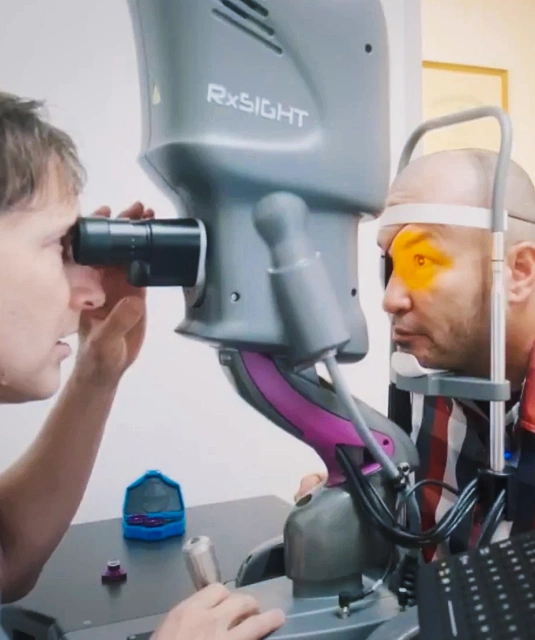
Specific Technology Certifications
Dr. Hamilton is certified in excimer laser technology on Alcon Wavelight Allegretto EX500, Johnson & Johnson VISX Star S4 IR in addition to femtosecond laser technology including Zeiss VisuMax (LASIK flaps and SMILE), Johnson & Johnson Intralase iFS, and Ziemer Z8. He is also certified on the following femtosecond lasers used for RLE and cataract surgery: LENSAR Ally, Alcon LenSx, and Johnson & Johnson Catalys.
The Hamilton Eye Institute Difference
Comprehensive Evaluation Process
Every patient receives a thorough evaluation that considers:
- Current prescription and visual needs
- Corneal thickness and shape
- Overall eye health, including screening for glaucoma and retinal disease
- Lifestyle and occupational requirements
- Age-related factors and future vision goals
Personalized Treatment Planning
Rather than recommending the same procedure for everyone, we develop individualized treatment plans that consider your current age, lifestyle, and long-term vision goals. This approach ensures you receive the most appropriate procedure for your specific situation.
Ongoing Care and Support
Vision correction is not just about the surgery—it’s about long-term eye health and visual satisfaction. We provide comprehensive follow-up care and are available to address any questions or concerns throughout your recovery and beyond.
Meet Dr. D. Rex Hamilton: Your Beverly Hills Vision Correction Expert
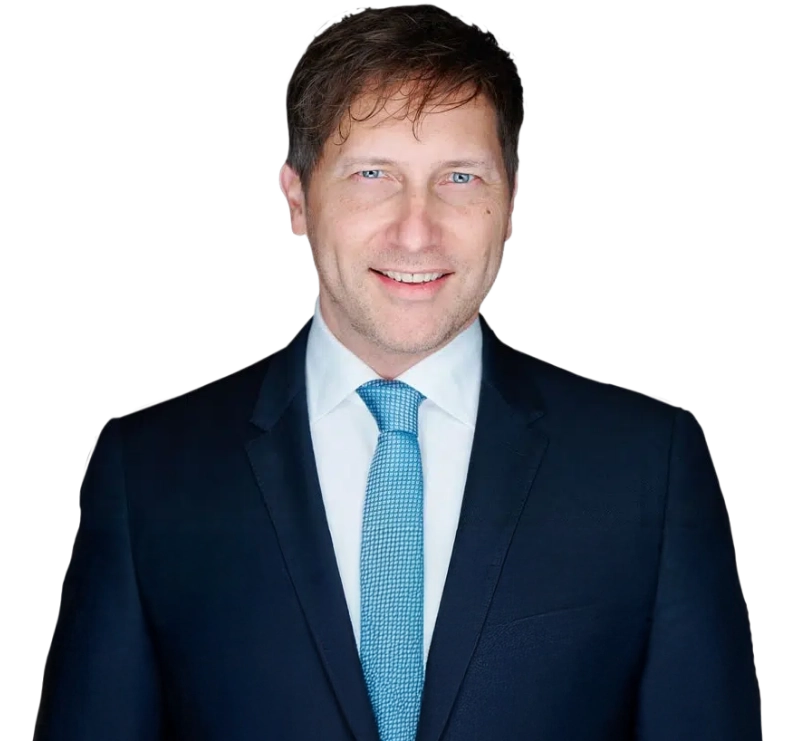
Board Certifications & Training:
- MD from University of California, Irvine School of Medicine (1998)
- MS degree with distinction in Biomedical Engineering from University of Virginia (1990)
- Ophthalmology Residency: UCLA Stein Eye Institute (2002)
- Fellowship: Cornea, Cataract, and Refractive Surgery at Minnesota Eye Consultants under Dr. Richard Lindstrom (2003)
- Board Certified by the American Board of Ophthalmology (2003)
- Fellow of the American College of Surgeons (FACS)
- Fellow of the World College of Surgeons (FWCS)
Professional Recognition:

- American Academy of Ophthalmology Achievement Award (2010)
- Named one of 300 Premier Refractive Cataract Surgeons in the United States (Ocular Surgery News, 2016)
- Former Professor of Ophthalmology at UCLA Stein Eye Institute
- Over 25 years of specialized experience in refractive and cataract surgery
Patient Success Stories
“experience. Dr. Hamilton is incredibly knowledgeable, patient, and thorough—he took the time to explain every step of the process, which made me feel completely confident and comfortable going into surgery. The procedure itself was smooth, and my results have been fantastic.”
“I came in dead set on SMILE (Dr. H is definitely the most experienced on this procedure on the west coast, possibly the country) but he helped me see (no pun intended) why I wasn’t a great candidate due to my low prescription. We talked about my concerns with LASIK due to my already dry eyes and he was very helpful in helping alleviate them.
All in all, I’m extremely happy with the results. Just 4 days later and I now have 20/15 vision (better than my glasses!) and no dry eye symptoms whatsoever. Couldn’t have asked for anything more, and glad I decided to trust my vision to Doctor Hamilton!”
“I had a fantastic experience with Dr Hamilton and his staff. I walked in with terrible vision and astigmatism and today I have excellent sight and none of those double vision issues. And I don’t need contacts or glasses at all. The whole EVO ICL process was easy, painless, and effortless. They answered every question and explained all my options. I feel lucky to have found them!”
“Wonderful experience at Hamilton Eye Institute! Quick, reliable, and honest. Currently experiencing the best vision I have ever had following the SMILE procedure. I would easily recommend Dr. Hamilton to anyone who is looking for refractive eye correction procedures!”
Making the Right Choice for Your Age and Lifestyle
Choosing the right vision correction procedure requires careful consideration of multiple factors. During your consultation, we’ll discuss:
- Your current vision problems and goals
- Age-related considerations and future needs
- Lifestyle factors that influence procedure selection
- Recovery expectations and timeline
- Long-term outcomes and potential future treatments
Clinical Outcomes and Safety Data
Hamilton Eye Institute Outcomes
- Total procedures performed: 15,000
- Patient satisfaction rate: 98%
- 20/20 vision achievement rate: 95%
- Complication rate: 0%
- Years in practice: 25+
Risks and Complications
As with any surgical procedure, vision correction carries potential risks. Common risks include:
LASIK/SMILE Risks:
- Dry eyes (temporary in most cases)
- Night vision disturbances (rare, typically temporary)
- Under or overcorrection requiring enhancement
- Infection
EVO ICL Risks:
- Cataract formation (very low risk with Trusted Source Analysis of perioperative problems related to intraocular Implantable Collamer Lens (ICL) implantation International Ophthalmology Go to Source EVO ICL vs. previous generation ICL)
- Increased eye pressure
- Need for lens repositioning or removal
RLE/Cataract Surgery Risks:
- Posterior capsule opacification (treatable with YAG laser)
- Retinal detachment ( Trusted Source Risk factors for retinal detachment following cataract surgery: The impact of posterior capsular rupture British Ophthalmology Go to Source 0.3% of cases)
- Infection or inflammation
Dr. Hamilton will discuss all potential risks and benefits specific to your chosen procedure during your consultation.
Insurance and Financing Options
Vision correction procedures are typically not covered by insurance as they are considered elective. However, we offer:
- Flexible financing options through Alphaeon®
- HSA/FSA payment acceptance
- Competitive pricing with transparent fee structure
- Detailed cost breakdown provided during consultation
Frequently Asked Questions
Hamilton Eye Institute, located in Beverly Hills, offers the full spectrum of vision correction procedures for all ages. Dr. Hamilton’s extensive training and experience ensure you receive the most appropriate treatment for your specific needs, whether you’re considering LASIK in your twenties or cataract surgery in your sixties.
Yes, many patients benefit from combining treatments. For example, patients undergoing cataract surgery might also address astigmatism with toric IOLs, or those having LASIK might combine it with dry eye treatment. During your consultation, we’ll discuss all available options to optimize your visual outcomes.
The best procedure depends on multiple factors, including your age, prescription, corneal health, and lifestyle needs. Generally, LASIK, SMILE and EVO ICL are well-suited for younger patients , while RLE and cataract surgery with premium IOLs are often better options for patients over 50. A comprehensive evaluation will determine your ideal treatment path.
Recovery varies by procedure and individual factors. Younger patients often heal faster from LASIK and SMILE procedures, while older patients may need slightly longer recovery periods after lens-based procedures. We provide detailed recovery instructions tailored to your specific procedure and circumstances.
LASIK and SMILE provide permanent corneal reshaping, and typically provides freedom from glasses until middle age when presbyopia (loss of focussing power) develops. When this occurs, patients can still undergo the RLE procedure even though they had LASIK or SMILE many years prior. Similarly, EVO ICL implants typically stay in until the patient reaches middle age when RLE makes sense. At that time the EVO ICL is removed, the natural lens is removed and an intraocular lens is implanted (RLE procedure). RLE and cataract surgery with IOLs typically provide lifelong vision correction because, unlike the natural lens degrading as cataract develops, the IOL does not deteriorate over time.
1 Refractive Surgery Council. What is the success rate of LASIK? https://americanrefractivesurgerycouncil.org/laser-eye-surgery-lasik-success-rate/. Accessed July 13, 2026.
2 Cleveland Clinic. LASIK vs. SMILE: Which Is Right for You? https://health.clevelandclinic.org/lasik-vs-smile. Accessed July 13, 2026.
3 Journal of Cataract and Refractive Surgery. Comparison of early visual outcomes after low-energy SMILE, high-energy SMILE, and LASIK for myopia and myopic astigmatism in the United States. https://pubmed.ncbi.nlm.nih.gov/32769749/. Accessed July 13, 2026.
4 Clinical Ophthalmology. A Comprehensive Retrospective Analysis of EVO/EVO+ Implantable Collamer Lens: Evaluating Refractive Outcomes in the Largest Single Center Study of ICL Patients in the United States. https://pmc.ncbi.nlm.nih.gov/articles/PMC10787571/. Accessed July 13, 2026.
5 National Eye Institute. Cataracts. https://www.nei.nih.gov/learn-about-eye-health/eye-conditions-and-diseases/cataracts. Accessed July 13, 2026.
6 International Journal of Ophthalmology. Astigmatic correction with implantation of a light adjustable vs monofocal lens: a single site analysis of a randomized controlled trial. https://pubmed.ncbi.nlm.nih.gov/31341799/. Accessed July 13, 2026.
7 International Ophthalmology. Analysis of perioperative problems related to intraocular Implantable Collamer Lens (ICL) implantation. https://pmc.ncbi.nlm.nih.gov/articles/PMC9587946/. Accessed July 13, 2026.
8 British Ophthalmology. Risk factors for retinal detachment following cataract surgery: The impact of posterior capsular rupture. https://www.researchgate.net/publication/293798328_Risk_factors_for_retinal_detachment_following_cataract_surgery_The_impact_of_posterior_capsular_rupture. Accessed July 13, 2026.
Hamilton Eye Institute
9150 Wilshire Blvd., Suite 240
Beverly Hills, CA 90212
Phone: (424) 732-2020
Email: info@rexhamiltonmd.com
Office Hours:
Monday – Friday: 8:00 AM – 5:00 PM
Saturday: By appointment
Sunday: Closed
Medical Disclaimer: This information is for educational purposes only and should not replace professional medical advice. Individual results may vary. All surgical procedures carry risks. Consult with Dr. Hamilton to determine if you are a candidate for vision correction surgery.
Editorial Review: This content has been medically reviewed by Dr. D. Rex Hamilton, MD, MS, FACS, for accuracy and completeness as of July 13, 2026.